
Sub-Total: $0.00
Grief and Gratitude
A reflection for a season of loss, remembrance, and hope
By Jennifer Kozel, MSHRM, SPHR
Grief arrives quietly for some and violently for others—an unwelcome companion reshaping our days and challenging our sense of steady ground. As we move into a season of celebration and togetherness, many hearts are carrying the ache of loved ones who are no longer here to share the warmth of the holidays.
Some are mourning parents, partners, children, siblings, or friends. Others are grieving cherished companions—mentors, teammates, beloved horses, dogs, and other furbabies whose absence is felt in the routines they once anchored.
Across the equine community, the recent EHV-1 outbreak in the Unites States has deepened this collective sorrow, claiming horses that were more than animals; they were healers, teachers, protectors, and competitive partners in life’s most meaningful moments.
Loss seems to be everywhere right now. Naming it honors the truth of it.
Yet even in the heaviest grief, gratitude can quietly emerge. Not as a way to bypass sorrow, but as a way to honor the love, the memories, and the legacy left behind.
Understanding Grief Without Rushing It
Grief is not something we “get over.” We learn to carry it. We integrate it into our story. We oscillate between deep heart ache and moments of light. Grief is a natural response to losing someone deeply meaningful, and it is evidence of being loved.
People grieve differently. There is no prescribed order or timeline that everyone must follow. Connection, storytelling, and rituals help the heart integrate loss. Avoiding grief usually prolongs suffering; acknowledging it opens space for healing and discovery.
Key truths supported by established research and widely accepted practice:
- Grief is a natural response to losing someone or something deeply meaningful.
- People grieve differently—there is no prescribed order or timeline.
- Connection, storytelling, and rituals help the heart integrate loss.
- Avoiding grief prolongs suffering; acknowledging it opens space for healing.
Life coaching can complement, but never replace, professional mental-health support. A coach’s role is to create space, witness, and guide forward movement only when the person is ready.
Honoring Loved Ones Through Remembrance
Remembering the love, impact, and gifts our loved ones brought into the world is one of the most meaningful pathways through grief. Whether human or equine, these beings contributed to our lives in deeply meaningful ways.
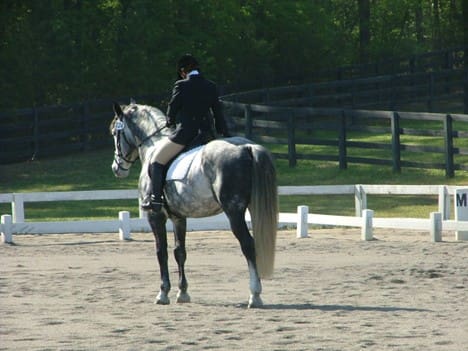
My grey stallion served people his entire life—partner, protector, teacher, and quiet spiritual guide. We were deeply connected from the moment I rescued him at just six months old. He passed away a year ago at age 27. Through the lessons he taught me and the offspring he blessed us with, he continues touching lives today.
A final salute to the judge following a harmonious dressage test early in his competitive career.
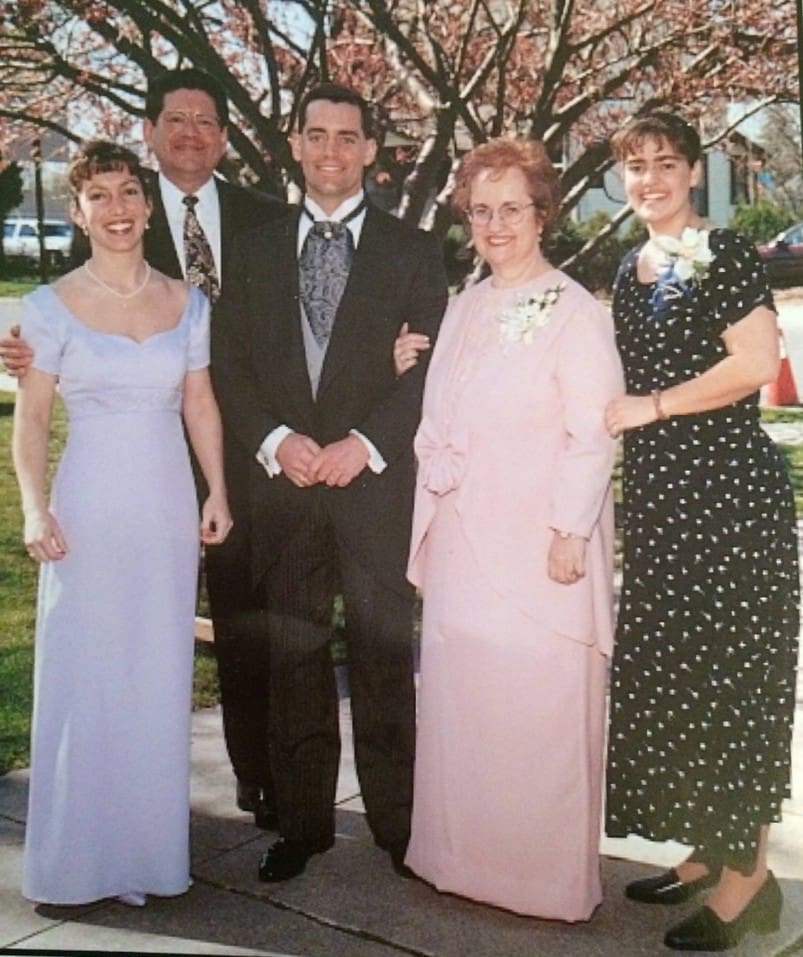
I also grieve my mother, who passed away over twenty years ago. Her absence remains fresh, but I see her powerful and wise spirit in my teenage daughters—their strength, humor, fire, and tenderness. Honoring her memory helps me carry both grief and gratitude forward.
This was the last time we were all together at my brother’s wedding.
These stories—your stories—matter. They hold the love inside the loss. There exists beauty and healing in sharing their stories.
A Practical Path Toward Healing
Here are supportive, research-aligned practices that allow grief and gratitude to coexist without forcing either:
- Tell their story
- Create remembrance rituals
- Allow emotions to come naturally
- Stay connected with others
- Welcome moments of joy
- Notice moments of gratitude
- Move forward at your own pace
Where Gratitude Lives Inside Grief
Gratitude during loss is about recognizing the depth of the love that created the grief in the first place. Gratitude lives in the memories that warm you, the lessons that shaped you, and the ways your loved one continues to influence your life, even in their physical absence.
It shows up in:
- Moments of stillness, when a memory makes you smile
- The way you parent, drawing on the love a parent gave you
- The courage you carry, gifted by those who have walked beside you
- The legacy that continues through the stories you share
Gratitude becomes the thread that connects what was, what is, and what still can be.
A Leadership Lens on Grief
Leaders can create humane spaces where grief is acknowledged and encouraged. Teams supported through loss recover faster and trust more deeply. It’s ok to not know what to say. Being present is often more important than your words. Listening, courageously standing next to those grieving, and serving the needs of your team is the best way to support them through the process. Sometimes a sudden loss of a loved one can trigger deep wounds that surface with a wave of emotions. Call in mental health professionals to guide those who choose to accept that support or offer contact info for trusted counselors who specialize in grief. Avoiding the pain and emotion because you are uncomfortable only leaves another void for those you are leading.
A Barnyard Reflection
Horses grieve honestly and in their own way. It’s helpful for them to have time with their mate’s body to process the fact that life has moved into another form. There follows a rearrangement in the herd. There will be social testing, a shifting of roles, and eventually moving forward forming an altered “family” unit- at their own pace. Humans are much the same. Surrounding yourself with a supportive group that allows you to experience and share your emotions without judgement facilitates and honors the healing process.
Moving Forward with Courage and Gratitude
Grief and gratitude are expressions of love—love remembered and love still unfolding.
If you are grieving this season, may you find comfort in remembrance. May you tell the stories that keep legacies alive. And may you discover gratitude not as an expectation, but as a gentle companion that walks beside you as your heart heals.

Clarity. Courage. Growth.
